Projects
Turning information into impact
My consulting and research projects span conservation science, data systems, and sustainability assessment. They are collaborations among scientists, practitioners, and decision-makers working toward more resilient and equitable environmental outcomes.
ICON projects
-
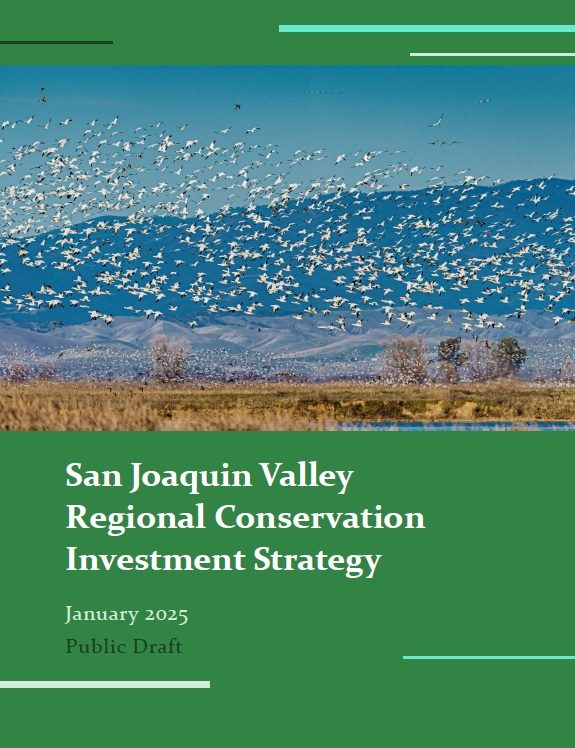
San Joaquin Valley Regional Conservation Investment Strategy
Client: River Partners
This Regional Conservation Investment Strategy (RCIS) focuses on the low-elevation portions of the Central Valley surrounding the San Joaquin River. ICON helped guide the development of the RCIS planning document, providing input on the ecological features and conservation strategies it includes.
-
Grasslands Water District and High-Speed Rail Settlement Agreement
Client: Grasslands Water DistrictPartners: California High-Speed Rail Authority, Audubon Society, and many others
High-Speed Rail and the Grasslands Water District settled litigation over future impacts in the Merced region, including High-Speed Rail conserving 10,000 acres of land in the district’s region. ICON worked with conservation stakeholders to identify critical features and led a process to identify the most effective locations to meet those goals.
-
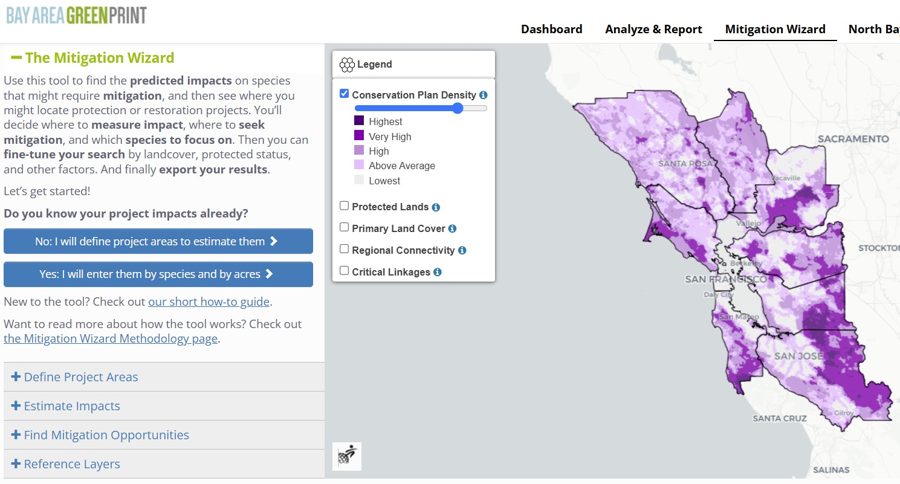
Mitigation Wizard
Client: The Nature ConservancyPartners: GreenInfo Network
This project developed a “Mitigation Wizard” to help transportation agencies assess potential mitigation needs ahead of infrastructure projects and identify where those needs might be met most effectively. ICON worked with The Nature Conservancy and GreenInfo Network to develop the tool’s inputs and outputs, updated the input data, and developed a potential restoration assessment for the nine-county San Francisco Bay Area.
A joint UC Davis and ICON project
UC Davis projects
Research projects led at the University of California, Davis. They are not affiliated with ICON.
-
ICICLE: Intelligent Cyberinfrastructure with Computational Learning in the Environment
Client: National Science FoundationPartners: Ohio State University, Texas Advanced Computing Center, IC-FOODS, and many others
ICICLE is a multi-institution collaboration founded to develop AI tools and cyberinfrastructure to support research in animal ecology, digital agriculture, and smart foodsheds. I led the smart foodsheds team, which developed tools to link land use databases, visualize the data networks, and let users query the data. The overall goal of this work was to help support an emerging global Internet of Conservation.
-
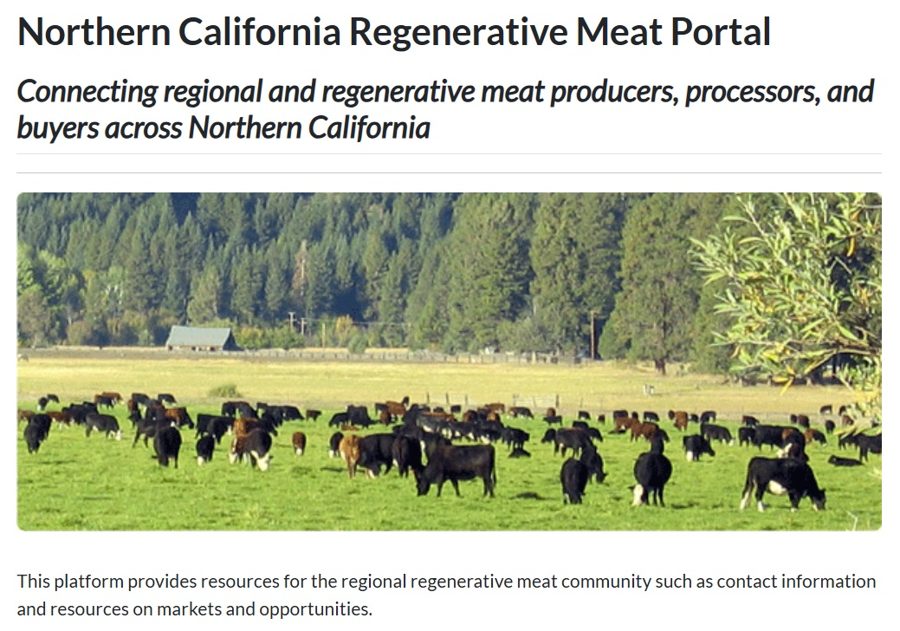
Northern California Regenerative Grazing
Client: U.S. Department of AgriculturePartners: IC-FOODS, Roots of Change, Audubon Society, Cream Co.
Built the Northern California Regenerative Meat Portal, which connects regional and regenerative meat producers, processors and buyers across Northern California and gathers resources on markets and opportunities.
-
Post-wildfire Forest Management Strategy
Client: U.S. Forest Service
A decision-support analysis to help the Forest Service develop a post-wildfire management plan for part of the Mendocino National Forest, focused on how to carry out restoration in the face of ongoing and future climate change. Reported in Informing Reforestation Strategy for the Mendocino National Forest: Integrating Climate Change into Management Planning of the North Shore Restoration Project (2023).
-
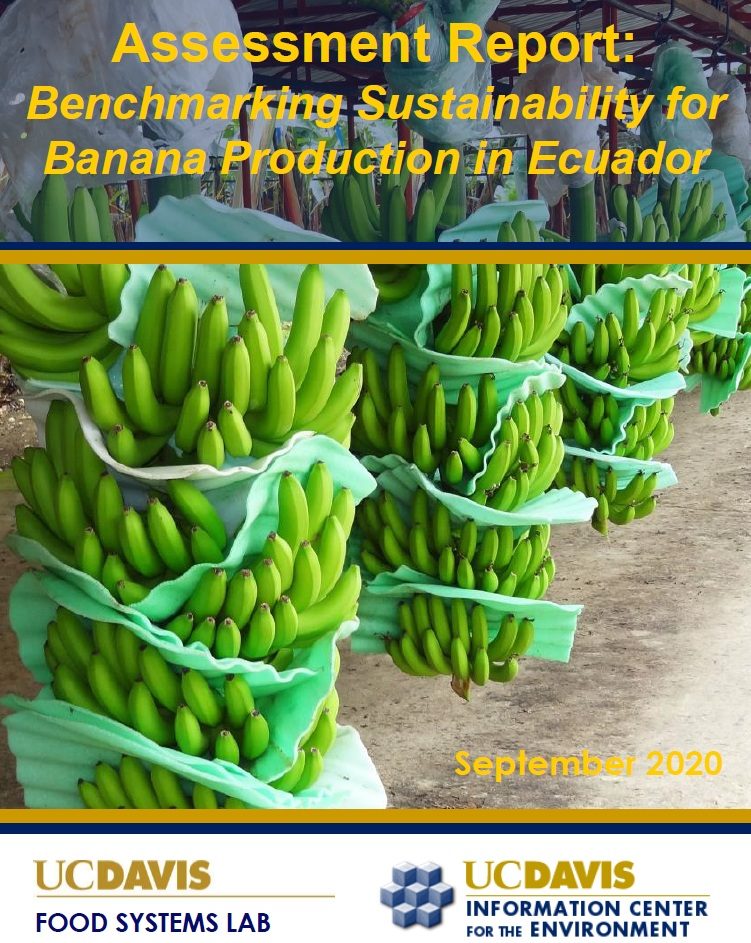
Sustainability of Banana Production in Ecuador
Client: AGROBANPartners: IC-FOODS
We worked with a wide group of stakeholders in Ecuador to assess the current sustainability of banana production and export in the country and develop strategies for future sustainability efforts. We documented important issues and potential sustainability indicators through interviews and literature reviews, collected existing data, and documented important data gaps.
-
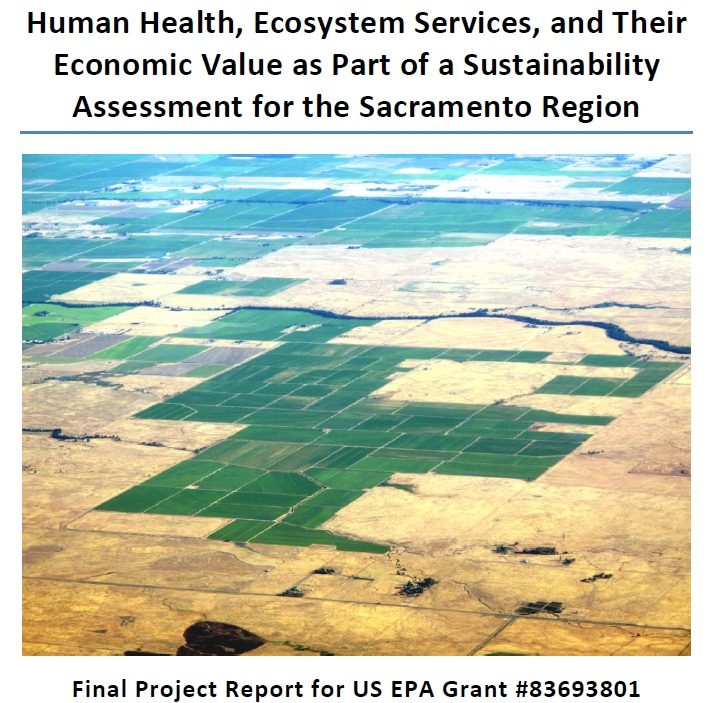
Sacramento Regional Assessment
Client: U.S. Environmental Protection AgencyPartners: Environmental Council of Sacramento (ECOS), IC-FOODS
A sustainability assessment of human health, ecosystem services and their economic value for the six-county Sacramento region. We built a geospatial framework for the region, chose sustainability issues and indicators with regional stakeholders, and brought human health outcomes into the natural resource assessment.
-
Regional Advance Mitigation Planning (RAMP)
Client: The Nature ConservancyPartners: Caltrans, California Department of Fish and Wildlife, Metropolitan Transportation Commission, U.S. Fish and Wildlife Service, and many others
From its beginning stages, I took part in developing a California statewide framework and regional use cases for regional advance mitigation planning. This work on RAMP methods helped enable the RCIS and RCA program codified in AB 2087. Work continues through the Bay Area RAMP working group and is leading to several implementation efforts. Our role was to develop the analytic methods that support RAMP.
-
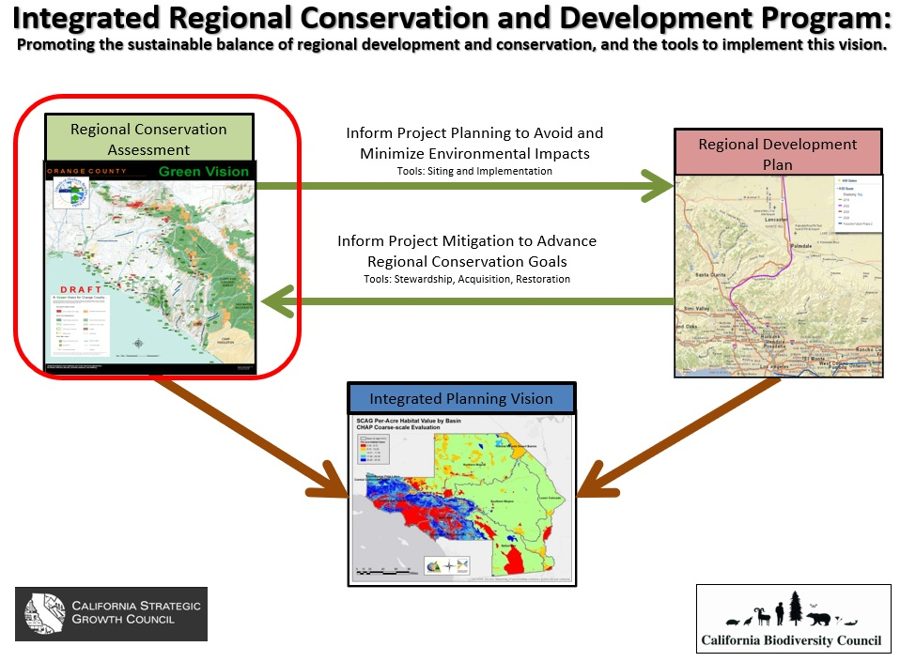
Integrated Regional Conservation and Development (IRCAD)
Client: Strategic Growth CouncilPartners: Conservation Biology Institute
We worked with the Strategic Growth Council and the Conservation Biology Institute to develop and test Regional Conservation Assessment methods, along with an online platform that public agencies and other organizations can use to apply them in setting regional conservation priorities.
-
Sustainable Sourcing for Mars, Incorporated
Client: Mars, Incorporated
We developed a framework for the sustainable sourcing of ingredients in Mars products, identifying environmental and social indicators that could be applied globally at several levels of the company’s supply chain. We built an indicator selection tool using optimization algorithms and an ontology that linked several kinds of data. The tool includes several thousand possible indicators drawn from multiple global sustainability assessments.
-
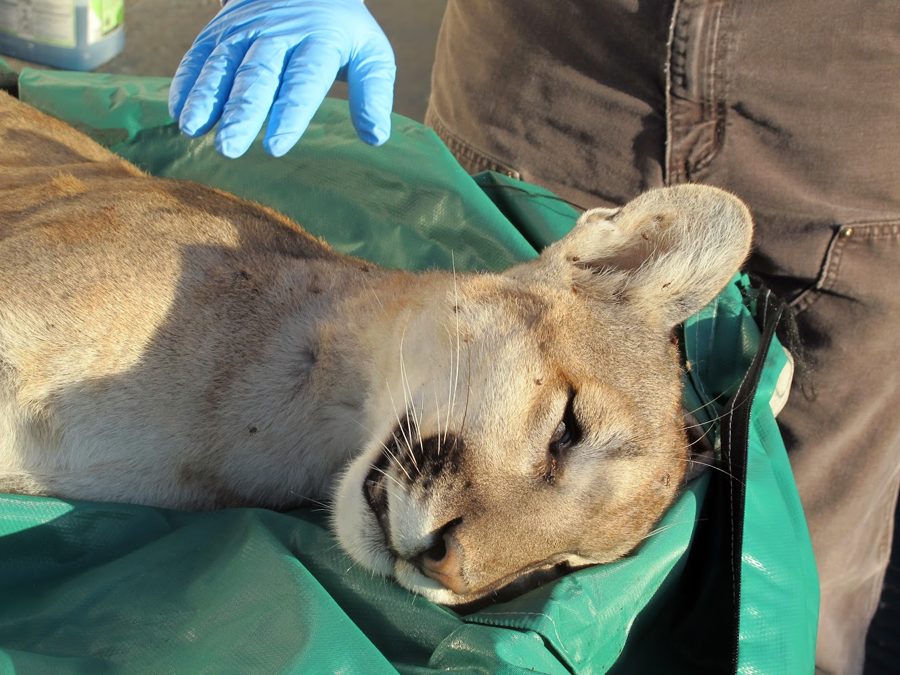
SR 241 Wildlife Connectivity Assessment
Client: The Toll RoadsPartners: The Nature Conservancy
This project assessed wildlife connectivity across a toll road in Orange County, California, and the road’s impacts. Mountain lion GPS-collar data and roadkill data for four large mammal species were used to assess the impacts. We combined connectivity modeling with camera station and new GPS data to model wildlife movement in this part of southern California. The toll road agency has used the results to prioritize mitigation and guide planning for new road projects.
-
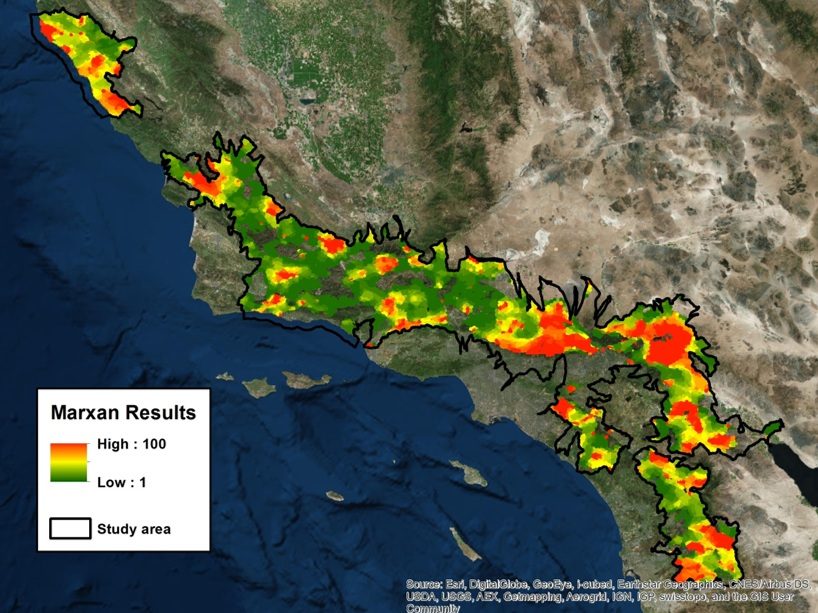
Biodiversity in Region 5’s Socio-Economic Vulnerability Assessment (SEVA)
Client: U.S. Forest Service
We developed a framework for assessing the wide array of ecosystem services of, and threats to, the four national forests in southern California. One part of the effort identified high-priority biodiversity areas and assessed likely future threats from fire and climate change. We used Marxan to identify the sites, then applied fire and downscaled climate models to assess their likely future vulnerabilities.
-
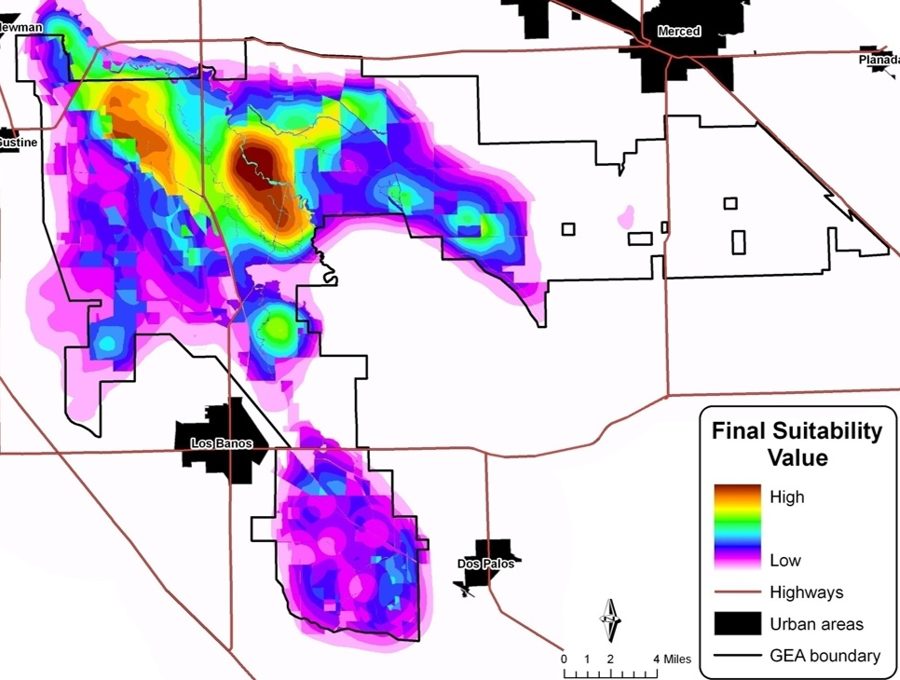
Tule Elk Restoration Feasibility Study
Client: Rocky Mountain Elk FoundationPartners: California Department of Fish and Wildlife, U.S. Fish and Wildlife Service, U.S. EPA
We designed and assessed scenarios for reintroducing tule elk (Cervus elaphus nannodes), an endemic subspecies, to part of central Merced County, California. The work included a habitat suitability analysis and a new spatially explicit population model (HexSim) to estimate herd growth and movement under each release scenario. We also assessed the full Central Valley for potential tule elk habitat and future release sites.